As Eid al-Adha approaches, Prof. Dr. Nevin Şanlıer shared important information on healthy meat consumption.
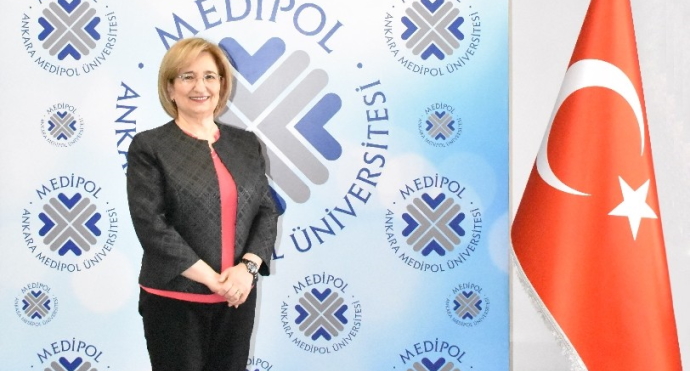
Pointing out that the consumption of meat, which is part of a healthy diet, increases during Eid al-Adha, Prof. Dr. Nevin Şanlıer, Dean of the Faculty of Health Sciences at Ankara Medipol University, warned: “Meat contains protein, fat, minerals and vitamins. Because it provides high-quality protein in large amounts, meat is one of our most important sources of protein. The proportion of protein and fat in meat varies depending on whether the meat is fatty or lean. Fatty meats have a higher content of saturated fatty acids and cholesterol. Meat is rich in micronutrients, particularly vitamin B12, iron and zinc. Since the iron in meat is highly bioavailable, meat plays an important role in the treatment of iron deficiency anemia. Meat is poor in vitamins C and E and in calcium, so it should be consumed together with fruits and vegetables rich in vitamins C and E.”
Drawing attention to many important points, from purchasing the sacrificial animal to storing the meat, Prof. Dr. Şanlıer said, “Various precautions should be taken against health risks at every stage, from slaughter to cooking.”
Prof. Dr. Şanlıer continued:
“Make sure the sacrificial animal has passed a veterinary inspection before you buy it. Animals slaughtered during Eid al-Adha should be examined by veterinarians both before and after slaughter. Veterinarians examine sacrificial animals in terms of their health and fattening condition. To ensure food safety, meat from animals that have passed veterinary inspection should be preferred. Sacrificial animals that have not undergone veterinary inspection and are not slaughtered under appropriate conditions pose a high risk of transmitting diseases such as tapeworm, salmonella, tuberculosis and anthrax to humans. The hygiene of slaughter areas and tools is important. Areas where slaughter takes place must be hygienic and adequately ventilated. Due to factors such as failure to comply with health and hygiene rules and a lack of training among workers, meat and other edible parts obtained from sacrificial animals can be hazardous to human health.”
Noting that the risk of animal-borne diseases spreading is very high during Eid al-Adha, Prof. Dr. Nevin Şanlıer once again stressed the importance of cleanliness: “Tools and equipment used for slaughtering and cutting should be made of stainless steel and disinfected frequently. Clean, potable water should be used at every stage; raw and cooked foods should be prepared in separate areas with separate utensils and kept away from each other; and hands should be washed properly after contact with raw meat.”
Prof. Dr. Nevin Şanlıer continued her recommendations:
“Do not eat freshly slaughtered meat without letting it rest. Freshly slaughtered meat is difficult to cook and digest due to ‘rigor mortis’. Keeping the meat in a cool place out of direct sunlight (at 7–15°C) for 3–4 hours after slaughter results in minimal toughness and a shorter period of rigor mortis. After that, a certain period at around 4°C is required to obtain high-quality meat and allow it to mature post-mortem. Twenty-four hours is sufficient for maturation. During this time, both tenderness and flavor develop. It is therefore beneficial to rest the meat for at least 12–24 hours before cooking. Because fresh meat is tougher, it can cause digestive problems such as indigestion, bloating, constipation or diarrhea. As these complaints can also lead to sleep problems, those who cannot give up fresh meat should cook it thoroughly and, if possible, eat it in small amounts. Use healthy cooking methods. When cooking meat, methods such as cooking it in its own fat, boiling, grilling, oven-baking at a low temperature for as short a time as possible, and steaming should be preferred. Meat should not be fried.”
“If meat is to be eaten as kavurma (pan-roasted meat), the leanest cuts should be preferred where possible”
Stating that “Meat should be cooked using healthier methods such as boiling, steaming and grilling; frying is not suitable,” Prof. Dr. Şanlıer highlighted the following:
“When grilling or barbecuing, there should be a distance of at least 15–20 cm between the meat and the fire. If the meat is too close to the grill and the flame is too strong, the heat cannot reach the inside of the meat and the outside burns. When meat is cooked too quickly, its outer surface hardens and the inside may remain undercooked. To reduce the formation of carcinogenic substances, meat should not be cooked at very high temperatures for long periods. Otherwise, this leads to the loss of protein and B vitamins and the formation of carcinogenic compounds (nitrosamines). If meat is to be eaten as kavurma, the leanest cuts should be preferred where possible; butter, tail fat and suet should not be added when cooking meat dishes, as they threaten cardiovascular health, and the meat should be cooked slowly over low heat in its own fat. Avoid eating too much meat. Consuming more meat than necessary during Eid al-Adha can cause many health problems and can also aggravate existing conditions. As an animal-based food, meat contains saturated fats. Its cholesterol content also means that attention should be paid to the amount consumed.”
Emphasizing that excessive consumption of meat and offal should be avoided due to saturated fats and cholesterol, Prof. Dr. Şanlıer issued the following warnings:
“Stay away from offal and fatty meats. During Eid al-Adha, the consumption of cholesterol-rich offal such as liver, brain, kidney, head, trotters, tongue, heart, tripe and spleen, as well as meats such as kavurma, should be limited. Since fatty meats are higher in saturated fat and cholesterol, people with cardiovascular disease, stomach problems, diabetes or high blood pressure should choose lean or low-fat meat during the holiday, eat meat in limited amounts and avoid overindulging. Visible fat on red meat should be removed as much as possible, both during preparation and on the plate. Watch your salt intake. Daily salt intake should be around 5–6 g. For this reason, salt should not be added to meat during cooking, as the flavor compounds naturally present in meat give it its taste. There is no need to add extra salt. Drink plenty of water instead of soda. Cooking methods such as pan-roasting and frying, which make food hard to digest and increase stomach acidity, should be avoided. To aid digestion, drinking plenty of water should be preferred over soda. Our bodies lose approximately 2,500 mL of water per day, and the same amount is taken back in through various means. To meet fluid requirements, at least 8–10 glasses of water should be consumed daily; as the holiday falls in the summer months, it is better to increase this to up to 12 glasses. Be careful with your dessert choices. During the holiday, people with diabetes, high cholesterol or blood pressure problems in particular should watch their consumption of chocolate and sweets. Instead of syrup-soaked pastry desserts, fresh fruit and fruit- or milk-based desserts (rice pudding, güllaç, milk pudding, ice cream, etc.) can be preferred. Ensure dietary variety. Although it is often neglected due to the rush of the sacrifice, the day should start with a light breakfast. During the holiday, dietary variety should be ensured by serving meat with vegetable dishes, whole grains, salad, fruit, yogurt, unsalted or very lightly salted ayran and cacık. To increase the absorption and utilization of the iron in meat, it is beneficial to eat foods rich in vitamin C together with meat. For example, it is advisable to eat meat cooked with appropriate techniques together with a seasonal salad or fruit, small amounts of whole grains (bulgur, brown rice) or whole-grain bread.”
Prof. Dr. Şanlıer continued:
“To benefit from the iron in meat, make sure to eat it together with fresh vegetables and fruits.
If the meat will not be consumed immediately, pay attention to how it is stored. Prepared meat can be kept in the refrigerator for 2–3 days, in the freezer compartment at -2 degrees for a few weeks, and in a deep freezer at -18 degrees for longer. Before being placed in the deep freezer, meat should be divided into single-use portions and pieces. Minced meat can be kept in the deep freezer for a maximum of 3–4 months, while meat in pieces can be stored at -18°C for up to 12 months. The higher the fat content of meat, the shorter its storage life. Pay attention to how you thaw frozen meat. Thawing should be done in a way that minimizes the risk of pathogenic microorganism growth and toxin formation in food. Measures should be taken to prevent microbiological, chemical and physical contamination during thawing; frozen foods should not be thawed at room temperature on the countertop, and raw meat in particular should be thawed in the refrigerator at 4°C. In urgent cases, meat can be thawed in cold water, placed in a suitable bag so that it does not come into contact with the water, and the water should be changed every 30 minutes. During this process, care should be taken that the water temperature does not exceed 10°C. Thawed meat, in whole or in part, should not be refrozen. Do not neglect physical activity during the holiday. Brisk walking for 40–50 minutes a day is beneficial for regulating bowel movements and maintaining normal blood sugar, cholesterol and triglyceride levels.”
Prof. Dr. Nevin Şanlıer added that as long as health and hygiene warnings are observed, Eid al-Adha is a great opportunity for healthy eating.